
Inside College Football’s Most Unforgiving Month: Playoff Prep Meets Portal Chaos
A rematch with everything on the line
College football’s postseason has always demanded a narrow focus, but this year’s playoff stretch is testing that idea in new ways. Oregon head coach Dan Lanning was asked in a recent joint news conference with Indiana head coach Curt Cignetti about the lessons learned from playing the same opponent twice in one season. Oregon has lived that scenario recently, including matchups with Washington in 2023 and Ohio State in 2024. The topic matters again now, with No. 5 Oregon set to face No. 1 Indiana in a College Football Playoff semifinal at the Peach Bowl on Friday night, a rematch of an Oct. 11 meeting won by the Hoosiers.
Yet Lanning did not frame his response around those specific experiences. Instead, he pointed to something both head coaches share: a background as former Alabama assistants under Nick Saban. In that environment, rematches were common across SEC championship games, national title games, and earlier versions of the College Football Playoff. For Lanning, the takeaway was not tactical reinvention, but discipline.
“Stick to your process,” Lanning said, emphasizing that teams in this position should not suddenly change what they have done all year. His message was to “double down” on the routine that got them to this stage.
The process stays the same—until the calendar doesn’t
On the surface, the “process” Lanning referenced is familiar: practice times, meeting schedules, film sessions, and the week-to-week details that keep a team steady. But the calendar has introduced a complication that makes normalcy difficult for the four teams still playing. The transfer portal window, open Jan. 2–16, has created an unavoidable second track of work running alongside playoff preparation.
Adding to the squeeze is an NCAA decision to eliminate the spring portal window. The effect is immediate: 2026 rosters must be shaped now, even though the current season still has weeks remaining. In practical terms, the idea of simply maintaining routine becomes harder, because this period requires coaches to recruit and manage roster movement while also preparing for the biggest games of the year. Everyone involved is adapting in real time.
Indiana’s balancing act: game planning vs. hosting transfers
Cignetti offered a clear example of what that tension looks like day to day. During the joint press conference, he acknowledged he could not fully answer a question about whether Oregon’s defensive coverages might change from the first meeting two months earlier. The reason was not a lack of interest, but a lack of time: Indiana was hosting 13 potential transfers on official visits. Cignetti said those visits consumed four hours that would typically be devoted to game preparation, and he planned to make up the difference with additional film study later that evening.
The workload started even earlier. Indiana returned from the Rose Bowl at around 3:30 a.m. ET on Jan. 2, after a quarterfinal win over No. 9 Alabama by a 38–3 score. Cignetti gave players and staff time to recover from the cross-country flight, but he spent nine hours preparing for incoming transfer visits.
Indiana’s staffing approach also shapes the burden. Unlike many programs, Indiana does not employ a dedicated person to oversee roster management and player acquisition. In practice, that makes Cignetti both head coach and de facto general manager.
He described the strain on staff while noting a recruiting reality: teams no longer playing may have more time to focus on portal work. Still, he stressed that preparation for the upcoming semifinal has to remain the primary focus.
Portal results that reflect organization
Despite the time crunch, Indiana has opened the portal window strongly compared with other semifinalists. As of Wednesday afternoon, the Hoosiers had secured commitments from 10 new players. The group included several highly ranked transfers:
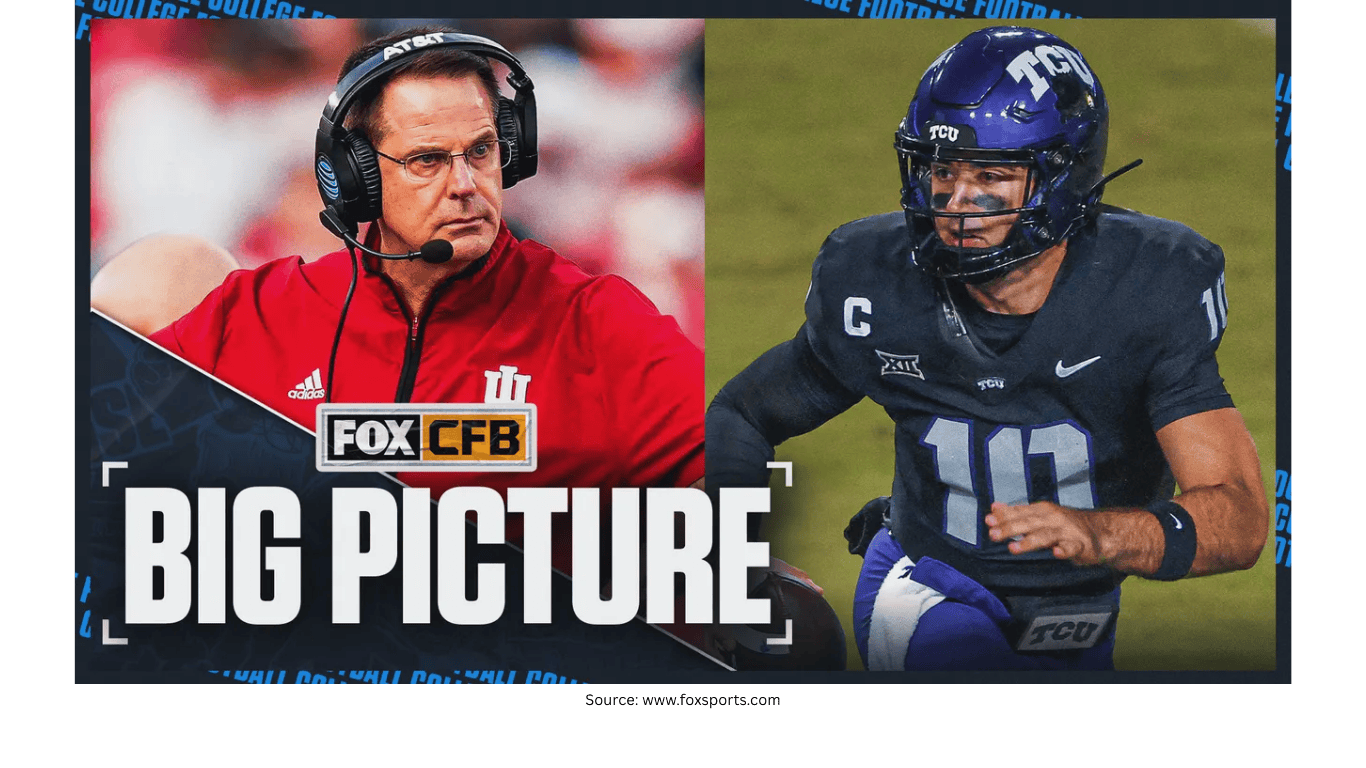
- Former TCU quarterback Josh Hoover (No. 40 transfer, No. 10 QB)
- Former Michigan State wide receiver Nick Marsh (No. 28 transfer, No. 7 WR)
- Former Kansas State edge rusher Tobi Osunsanmi (No. 32 transfer, No. 7 edge)
Indiana’s transfer class ranked fifth nationally behind Penn State, Oklahoma State, Texas Tech and LSU. The broader context also matters: all but one of those programs benefited from first-year head coaches bringing talent to new destinations. For Indiana, the early success was presented as a testament to how organized and effective Cignetti’s operation has become, even while still playing in the playoff.
Ole Miss: winning games while navigating staff disruption
Another playoff team dealing with the portal at the same time is Ole Miss, which sat two spots behind Indiana in portal class ranking with eight commitments, including three players ranked among the top 110 prospects in the portal. The Rebels’ situation is complicated by changes at the top. Lane Kiffin departed in late November after a public pursuit of openings at Florida and LSU, with LSU ultimately hiring him. Ole Miss athletic director Keith Carter promoted defensive coordinator Pete Golding to head coach, preserving some continuity even as the rest of the staff faced disruption.
With Ole Miss advancing through the playoff with wins over No. 11 Tulane and No. 3 Georgia, Golding has been managing portal needs while also fielding questions about what his staff will look like for the semifinal. He confirmed that tight ends coach/co-offensive coordinator Joe Cox and wide receivers coach/passing game coordinator George McDonald—both originally hired by Kiffin—would not be present for the game.
Golding framed the departures as a function of the current calendar and responsibilities at new jobs, noting LSU’s need to build a roster with many players in the portal.
Oregon’s own version of the same pressure
Oregon is not immune to the same forces, even while trying to maintain Lanning’s preferred steadiness. The Ducks have dealt with coordinator movement during the playoff run. Offensive coordinator Will Stein agreed to become the next head coach at Kentucky, a program that has the ninth-best transfer portal class with eight early commitments, including former Notre Dame quarterback Kenny Minchey (No. 64 transfer, No. 13 QB). Defensive coordinator Tosh Lupoi agreed to become the next head coach at Cal, which has the nation’s No. 11 portal class and retained quarterback Jaron-Keawe Sagapolutele.
Both Stein and Lupoi have continued to work with Oregon through the playoff while also making trips connected to their new roles. Lupoi even made a brief trip to Hawaii during the effort to secure Sagapolutele’s decision to remain at Cal. Oregon has said both coaches will stay with the Ducks through the remainder of the playoff.
Adapting becomes the real separator
All of it circles back to the central tension: the desire to “double down on process” versus the reality that the sport’s busiest roster-management period is now happening at the same time as the playoff. Lanning acknowledged that coaches cannot control the rules, only respond to them. In his view, the teams that handle what is thrown at them best will gain the edge.
For programs still playing, the month is unforgiving not only because of the opponent on the field, but because the work off the field does not pause. The challenge is to keep the week as consistent as possible for players, be open and honest about the chaos, and continue preparing at a championship level while the future roster is being built at the same time.