
Arteta faces injuries, costly errors and renewed City pressure as Arsenal wobble at a decisive point
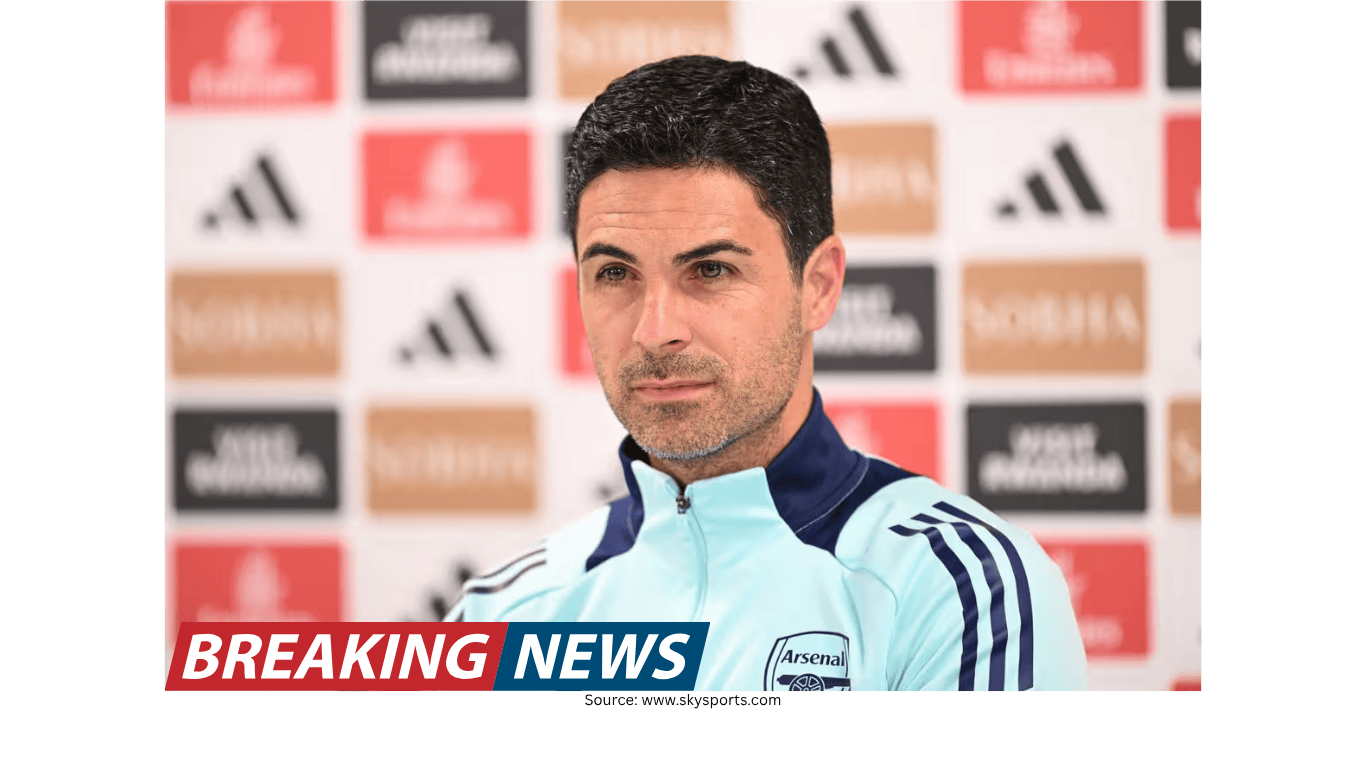
Arsenal’s season shifts from promise to pressure
Arsenal’s campaign has reached a point where the conversation has changed tone. Not long ago, their position across competitions suggested a team moving with purpose: a strong Premier League lead, a Champions League quarter-final draw viewed as favourable, and a domestic cup run that offered a clear route back to Wembley. Now, following their FA Cup quarter-final defeat at St Mary’s, the mood is more uncertain.
Mikel Arteta had framed disappointment as fuel after Arsenal’s Carabao Cup final loss to Manchester City, arguing that the pain could help in the run-in. But keeping that optimistic framing becomes harder after a shock exit against Southampton. The immediate consequence is straightforward: another trophy route has closed. The wider impact is more psychological, because the defeat has invited a familiar question to return.
Do Arsenal have the temperament of champions?
That question will follow Arteta and his squad into a demanding fortnight. Arsenal still lead City by nine points in the Premier League, but City have a game in hand. Arsenal also have a Champions League quarter-final first leg at Sporting on Tuesday, with the schedule then building towards a pivotal league meeting at the Etihad on April 19. In isolation, each of these facts can be presented positively. Together, in the wake of a cup exit, they look like a test of nerve.
A missed chance to return to Wembley
The FA Cup quarter-final offered Arsenal an opportunity that many teams would welcome. Lower-league opposition in the last eight, regardless of Southampton’s recent form, looked like a platform to reach Wembley and potentially end a six-year wait for a trophy. The defeat means that chance has gone, and with it some of the margin for error in how the season is judged.
Arsenal’s Champions League draw against Sporting has also been billed as favourable. In the league, their advantage over City should be seen as commanding. Yet the tone around the team has shifted because nothing feels certain right now. A side that had been described as solid and dependable is now being described as wobbling at the crucial moment.
The change is not only about results. It is about the sense of control. Where there had been cold efficiency, there is now vulnerability. Talk that once drifted towards a possible quadruple has been replaced by a more basic debate: will Arsenal win anything at all?
Manchester City’s momentum raises the volume
Manchester City remain central to Arsenal’s anxiety, not only because of the league table but because of what City represent in the final weeks of a season. Arsenal have already lost to City in the Carabao Cup final, and City’s recent form has added to the pressure. Their 4-0 win over Liverpool earlier on Saturday, combined with Arsenal’s tame loss on the south coast, has the feel of an alarm bell for north London.
City are nine points behind but have a game in hand, a detail that keeps the title race alive. Arsenal’s immediate calendar adds to the tension: a tricky home test with Bournemouth next weekend, the second leg of the Sporting tie, and then the trip to the Etihad. It is a run that will test both performance levels and emotional control.
For an Arsenal squad and fanbase that have been scarred by City hunting them down in previous title races, concern is not paranoia; it is experience. City have shown they know what it takes to win. Arsenal, in contrast, are being asked to prove they can take the final step when the pressure tightens.
The defining question: champion temperament
Arteta’s side are now entering what can reasonably be described as a character examination. It is not simply about whether Arsenal can produce their best football. It is about whether they can handle the moments that decide seasons: the away legs, the tight games, the late goals, and the inevitable swings in momentum.
City’s presence intensifies that examination because the chase is familiar. Even if this City team is not considered to be at the same level as some of Pep Guardiola’s greatest sides, the club and manager carry an aura when they are in pursuit at the business end of the season. Arsenal know that. City know that too.
There are just seven league games to play. City may not need a long winning run to apply decisive pressure. If they can repeat the quality they produced at Wembley and against Liverpool in their last two performances, they will believe another title charge is on. The uncomfortable truth for Arsenal is that belief can spread to the team being chased as well: doubt is contagious.
Errors at key moments begin to define the wobble
One of the clearest signs of Arsenal’s current nervousness is the timing of their mistakes. When a team is calm and in rhythm, individual errors still happen, but they do not cluster. When a team is tense, errors start to appear at the worst possible moments, and they shape the narrative of games.
Recent examples have been costly. At Wembley, it was Kepa spilling a cross for Nico O’Reilly to score Manchester City’s opener. At St Mary’s, Ben White mistimed his jump, allowing Ross Stewart to power in Southampton’s first. These are not complex tactical failures; they are moments where execution faltered under pressure.
The numbers underline that this is not a one-off. Arsenal have now conceded eight goals from errors in the past 23 games, according to Opta. In the 28 games before that, there was just one. That swing is stark, and it suggests a problem that is either growing or being exposed by the stakes of the season.
Arteta’s own assessment after the Southampton loss focused on an area that should have been routine. “We didn’t manage the long balls well enough, which is something very strange,” he told the BBC. “In the first half, we just let the ball through us and they were one against one. The way we concede the second goal was very similar.”
When a manager describes a weakness as “very strange,” it often points to disruption rather than design. Arsenal’s defensive structure has been a foundation of their season. If it is now being breached by direct play and repeated patterns, opponents will take note.
Selection disruption and defensive rhythm
Arsenal’s defensive issues cannot be separated from the changes around them. William Saliba was on the bench on Saturday, and there has also been disruption behind the back line, with David Raya not playing against City or Southampton. Whether those changes are the main cause or simply part of a broader dip, they matter because defensive confidence is built on familiarity.
Opposition sides will be zoning in on what they can repeat: long balls, second balls, and forcing individual defenders into uncomfortable decisions. Arteta’s comments suggest Arsenal were not only beaten in isolated moments; they were beaten by a pattern they did not handle well enough.
At this stage of the season, the details become decisive. A mistimed jump, a ball not cleared, a duel lost at the wrong time—these are the margins that can turn a commanding position into a nervous run-in.
Injuries and fitness: not a crisis, but not ideal
Arsenal’s injury list is not as long as it has been, particularly given the extent of international withdrawals. But the key point is quality, not quantity. Several important players are either unavailable or not at full fitness, and that affects both the level of performance and the options available to Arteta when games shift.
Gabriel appears to be heading back to the treatment room after suffering a problem at Southampton. Declan Rice and Bukayo Saka were not in the squad on Saturday. Their absence matters in multiple ways, including set pieces: they are Arsenal’s two top set-piece takers. In a season where tight matches can be decided by dead-ball moments, losing that delivery and threat can reduce Arsenal’s ability to find solutions.
There are also limitations in open play. The absence of Eberechi Eze adds to those attacking constraints. This is not simply about missing a player; it is about losing a type of threat, the kind that can change a game when rhythm is hard to find.
There were, however, signs of players returning. Martin Odegaard made his first start since January 25. Martin Zubimendi, Noni Madueke and Saliba were able to come on as substitutes. Even so, the overall picture is of a squad that is not fully fit and firing right now, which is a difficult place to be when the calendar is unforgiving.
The next two weeks: a season-defining stretch
Arsenal’s immediate challenge is to stabilise. That does not require perfection, but it does require control: fewer errors, better management of direct threats, and a clearer sense of identity in decisive moments. With Sporting in the Champions League quarter-finals and Bournemouth in the league, there is little room for drifting through games.
Then comes the match that will loom over everything: the trip to Manchester City on April 19. City’s ability to turn pressure into performance is well established. Arsenal’s ability to resist that pressure is what is now being tested.
City may not be capable of the kind of extended winning streaks that defined previous title charges—such as the 12 straight wins in 2023 that earned them the title by five points from Arsenal, or the nine-game winning run that secured the crown in 2024 by a point ahead of Arsenal. But they may not need to be. With only seven games left, a shorter burst of form can be enough, especially if the team in front starts to wobble.
What Arsenal must address immediately
Cut out the high-profile mistakes: The recent spike in goals conceded from errors is too large to ignore. Arsenal need calmer decision-making in key defensive moments.
Handle direct play and long balls: Arteta highlighted this as a “very strange” weakness. If it persists, opponents will keep targeting it.
Manage fitness and availability: With important players either missing or short of full sharpness, rotation and game management become critical.
Protect belief as results tighten: City’s aura in a title chase is real, but it only becomes decisive if Arsenal allow doubt to take hold.
A lead still intact, but the feeling has changed
Arsenal remain in a strong league position. A nine-point lead, even with a game in hand for City, is not something to dismiss. The Champions League tie against Sporting remains an opportunity. Yet the FA Cup exit has changed the emotional landscape, because it has made Arsenal’s vulnerabilities more visible at the very moment the schedule becomes most intense.
Arteta’s task now is to restore the traits that defined Arsenal at their best: discipline, efficiency, and a calm edge in decisive moments. The next two weeks will not only shape their season; they will reveal whether this group can respond to setbacks with the kind of authority that champions are expected to show.